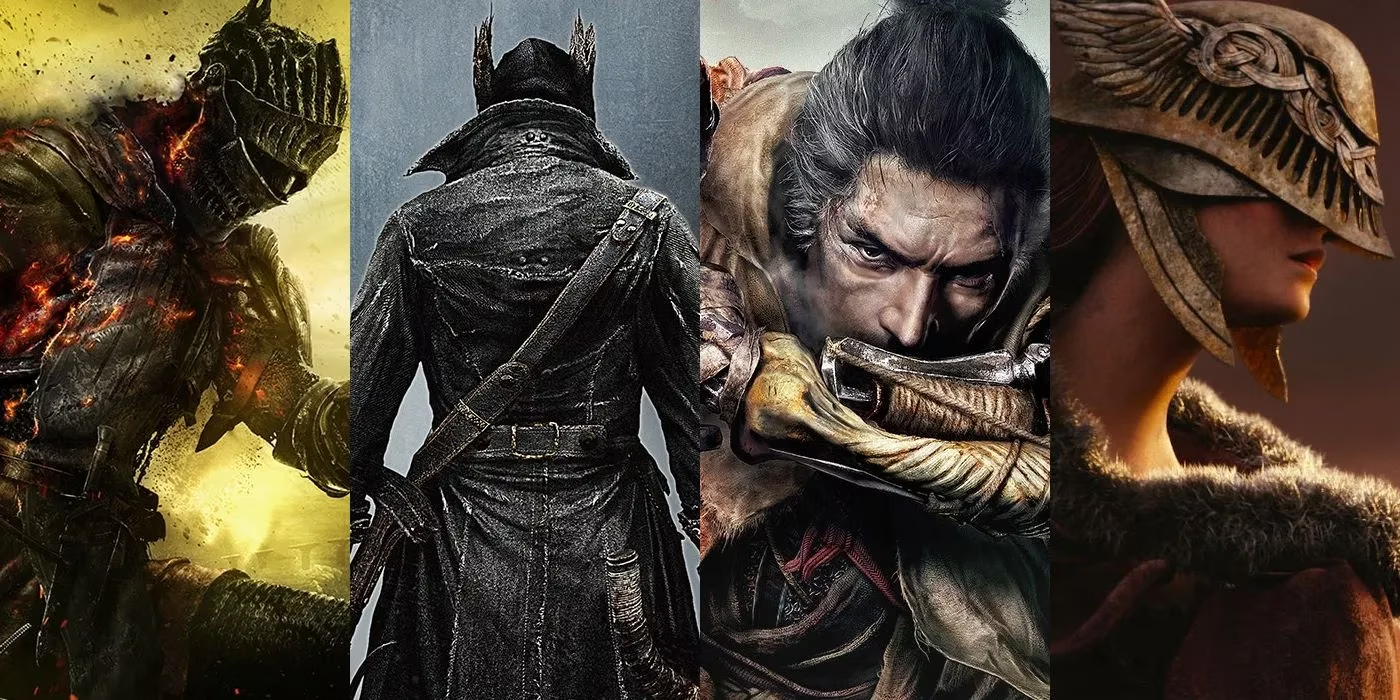
Looking back from 2026, the legacy of FromSoftware's Soulsborne games feels more monumental than ever. Even with the studio's successful foray back into Armored Core with its sixth installment, the cultural footprint of these punishing, atmospheric adventures remains the studio's defining hallmark. For me, and for millions of players, these aren't just games; they are rites of passage, each with its own distinct flavor of triumph and despair. The term "Soulsborne" itself, born from a mashup of Demon's Souls, Dark Souls, and Bloodborne, has grown to encompass an entire philosophy of game design—one built on challenging combat, cryptic lore, and that ever-present risk of losing your hard-earned currency (or Runes, or Blood Echoes) upon death. As we await the next evolution of this formula, let me take you through my personal ranking and reflections on each of these legendary titles.
8. Dark Souls II: The Black Sheep
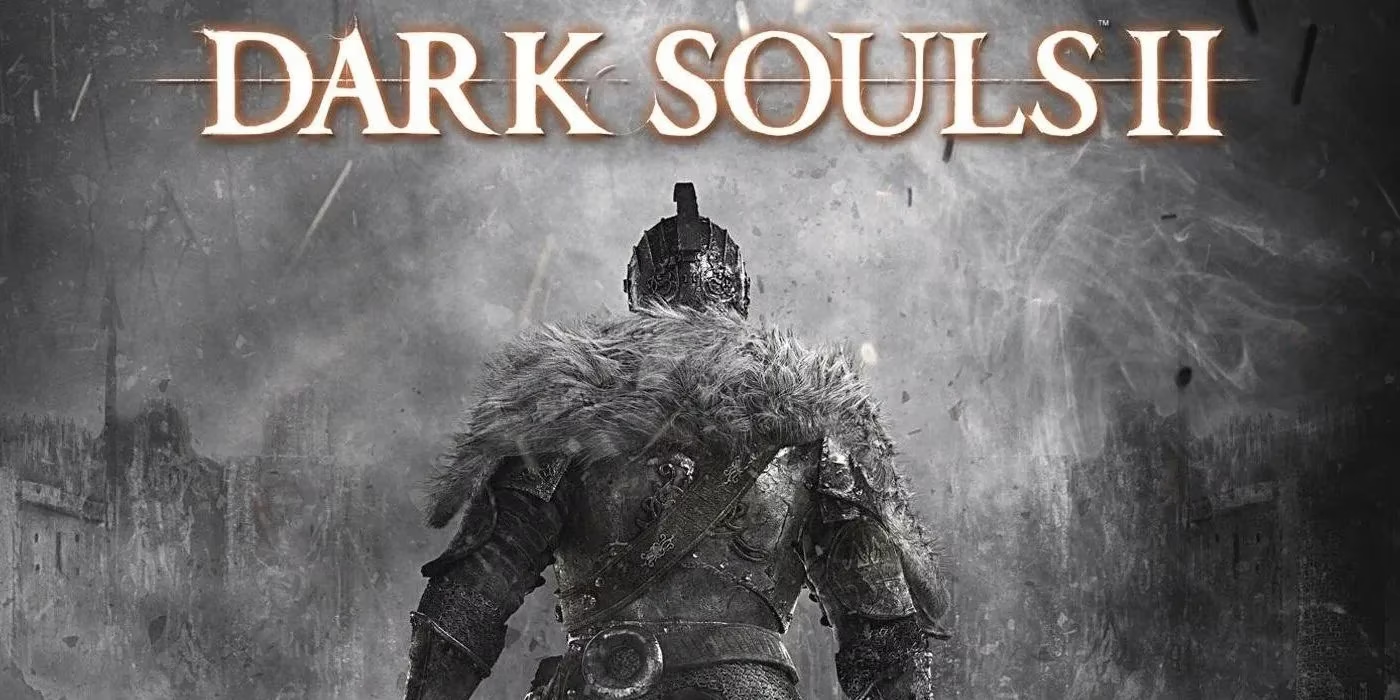
Let's start with the most contentious entry. Dark Souls II is, in my experience, the most flawed gem in the collection. Its world design often feels disjointed and less interconnected than its siblings, and some early enemy encounters can feel unfairly punishing rather than strategically difficult. The game introduced some controversial mechanics:
-
Adaptability Stat: This stat governed your invincibility frames during rolls, forcing players to invest levels just to make their dodge feel effective—a departure from the skill-based timing of other games.
-
Soul Memory: This system tracked the total souls you'd ever earned for PvP matchmaking, which inadvertently punished players for dying and losing souls repeatedly. It created a unique, often frustrating, online ecosystem.
While it has a dedicated fanbase and some fantastic DLC areas, Dark Souls II often feels like it's marching to the beat of its own, slightly off-rhythm drum.
7. Demon's Souls: The Groundbreaking Progenitor
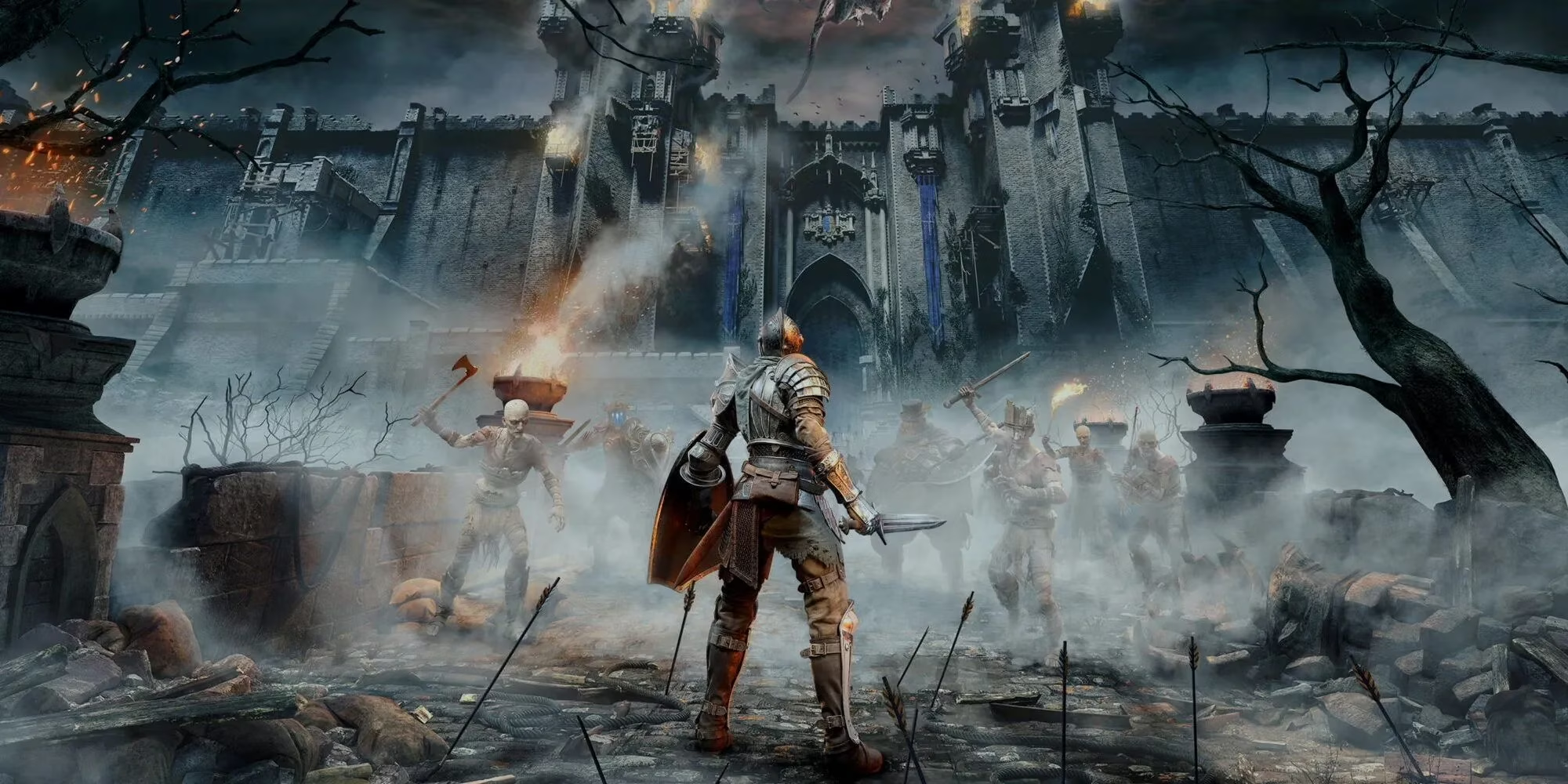
This is where it all began for many of us. Demon's Souls established the DNA of the series: the checkpoint system (the Archstones), the risk-reward soul currency, and that crushing difficulty. Its structure is unique, with five distinct worlds branching from a central hub (the Nexus). It also introduced the brilliant, yet opaque, World Tendency system, where player actions could shift a world between light and dark states, unlocking hidden events and altering enemy behavior—a mechanic I'd love to see revisited.
The 2020 PS5 remake by Bluepoint Games is, without a doubt, the most visually stunning game in the entire Soulsborne canon. The smaller, focused areas allowed for breathtaking graphical fidelity that still holds up remarkably well in 2026. However, the original (and even the remake) shows its age in terms of quality-of-life features and generally offers a slightly lower baseline challenge than its successors—though its New Game+ spike is notoriously the steepest in the series!
6. Dark Souls: The Genre-Defining Landmark
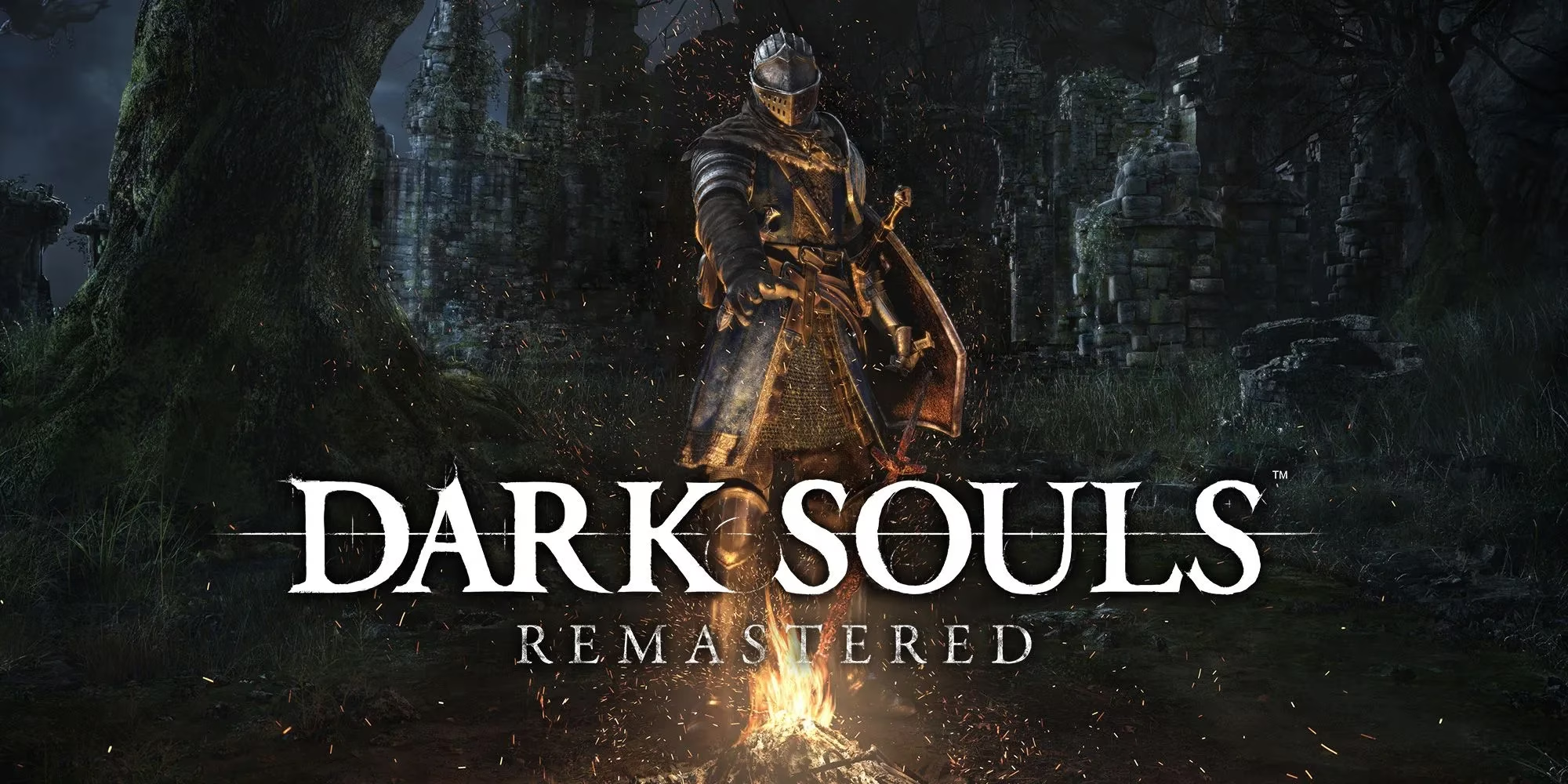
The one that truly ignited the flame. Dark Souls took the foundation of Demon's Souls and wove it into a breathtakingly interconnected world—Lordran. The feeling of unlocking a shortcut that loops back to Firelink Shrine is a masterclass in world design that few games have matched. It codified the staples: bonfires, estus flasks, and the silent, environmental storytelling we all adore.
While its combat lacks the later polish of Dark Souls 3 or Bloodborne, its influence is immeasurable. It became the yardstick for difficulty and intricate level design across the entire industry. It was also the first to receive a major DLC expansion (Artorias of the Abyss), setting a precedent. Despite a remaster, it hasn't received a full-ground-up remake, and some aspects, like the Blighttown frame rate (in the original), are etched in memory as much for frustration as for awe.
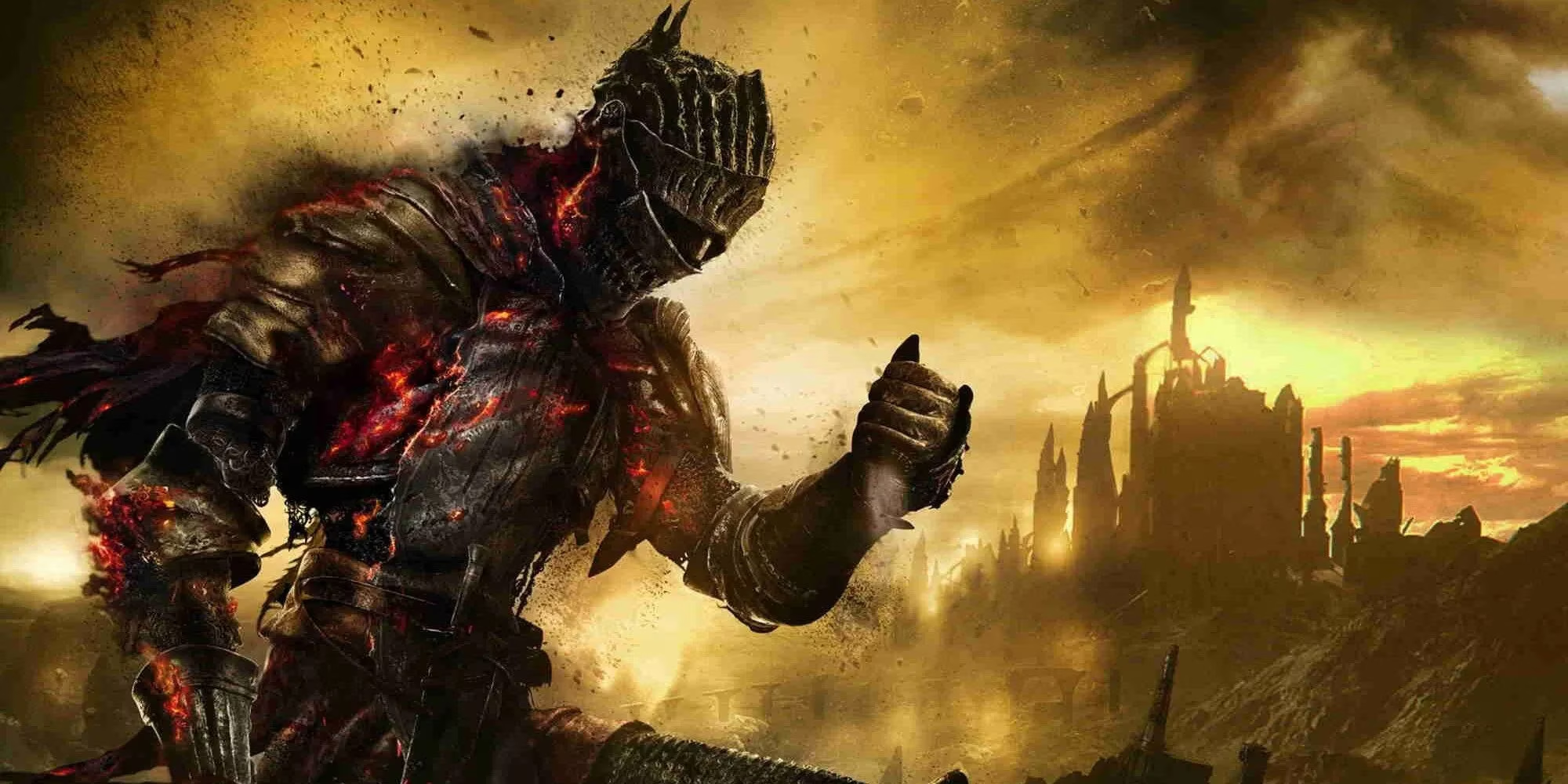
5. Dark Souls III: The Polished Climax
If Dark Souls was the revolutionary spark, Dark Souls 3 is the refined, majestic bonfire. Many fans, myself included, see it as having the most elegant and polished combat system in the original trilogy. It's faster than Dark Souls but more measured than Bloodborne, striking a beautiful balance. It boasts some of the series' most epic and memorable boss fights (I'm looking at you, Slave Knight Gael).
It wisely abandoned the maligned Soul Memory system, leading to a healthier, more accessible PvP scene that fostered dedicated "fight club" communities. My main critique is that it sometimes leans too heavily on nostalgia, rehashing locations and concepts from the first Dark Souls to the point where it can feel slightly less original in its overarching narrative.
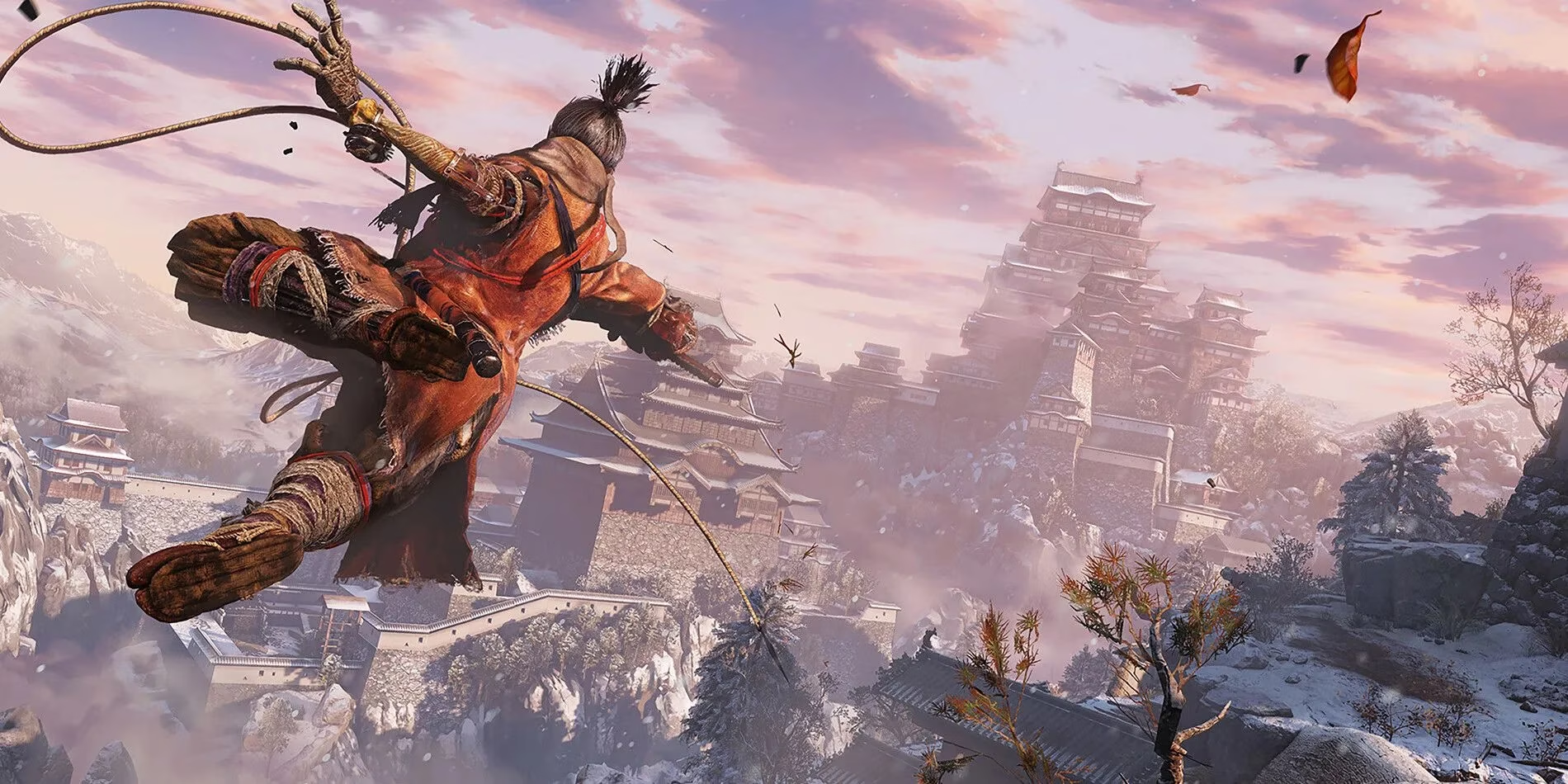
4. Sekiro: Shadows Die Twice: The Defiant Specialist
Sekiro is the brilliant outlier. It boldly strips away core RPG mechanics—there's no stat leveling, no swapping weapons or armor. Instead, mastery is everything. The combat is built around a relentless posture and deflection system, demanding aggressive precision that makes parrying in Elden Ring feel lenient. This focus is why many consider it the single most challenging Soulsborne title; you can't overlevel to overcome a wall, you must simply "get good."
Its stealth elements and vertical mobility are reminiscent of classic titles like Tenchu, and the prosthetic arm tools add wonderful strategic variety. While it didn't get a traditional story DLC, the free update adding boss rush gauntlets was a perfect fit for its duel-centric philosophy. It's a masterpiece of focused, uncompromising design.
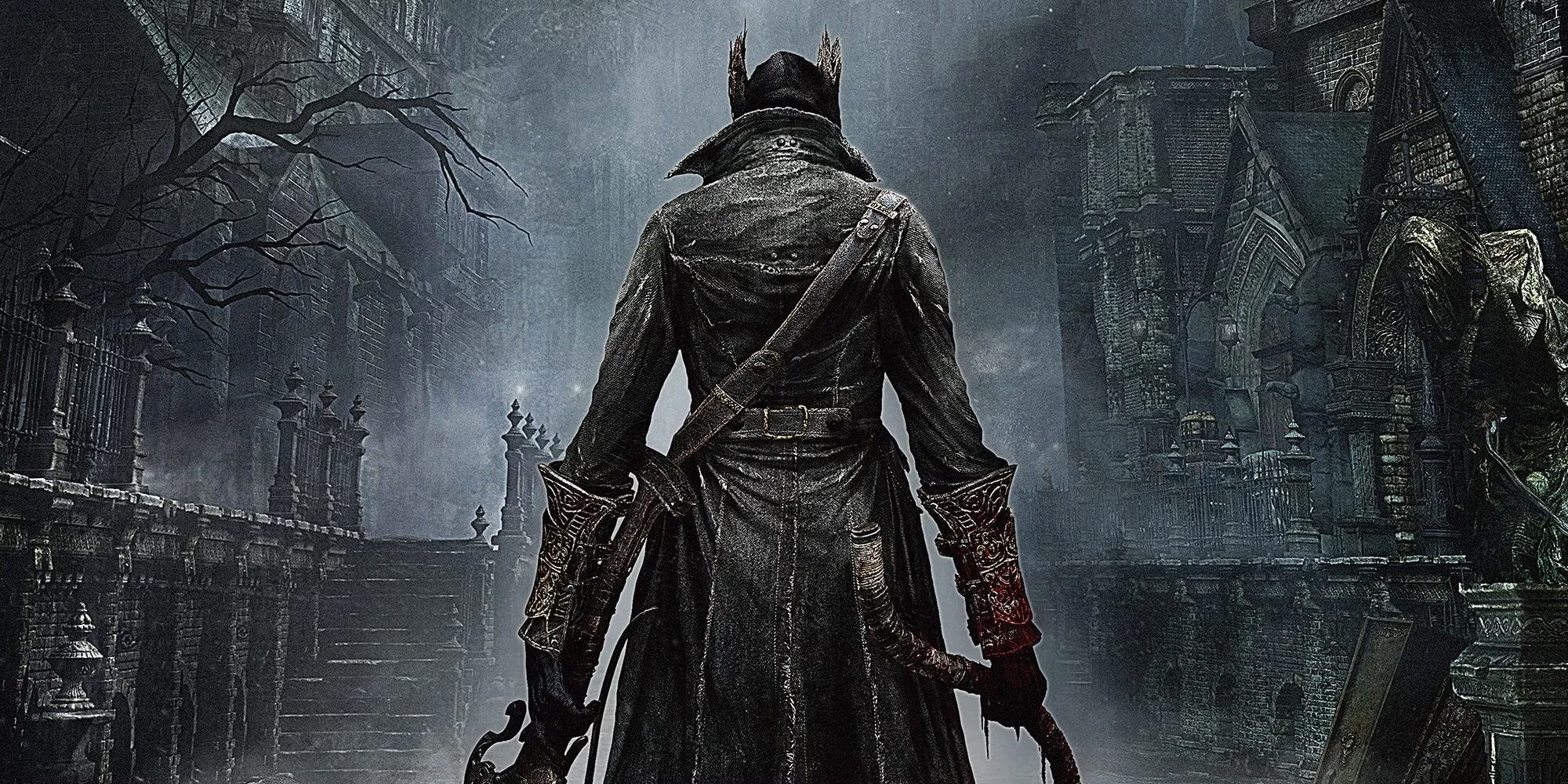
3. Bloodborne: The Gothic Masterpiece
Oh, Bloodborne. From its first moments, it establishes a tone and atmosphere unlike anything else in the catalog. Swapping medieval fantasy for a Victorian, gothic horror nightmare filled with cosmic dread was a stroke of genius. The combat system encourages—no, demands—aggression with its rally mechanic (regaining health by attacking back), creating a thrilling, high-stakes dance.
As a PlayStation exclusive, it remains the one major title some players haven't experienced, which is a true tragedy. The shift from shields to firearms for parrying, the trick weapons that transform mid-combo, and the haunting world of Yharnam coalesce into what many, including director Hidetaka Miyazaki, consider a peak creative achievement. The pleas for a Bloodborne 2 or a PC port have only grown louder with time.
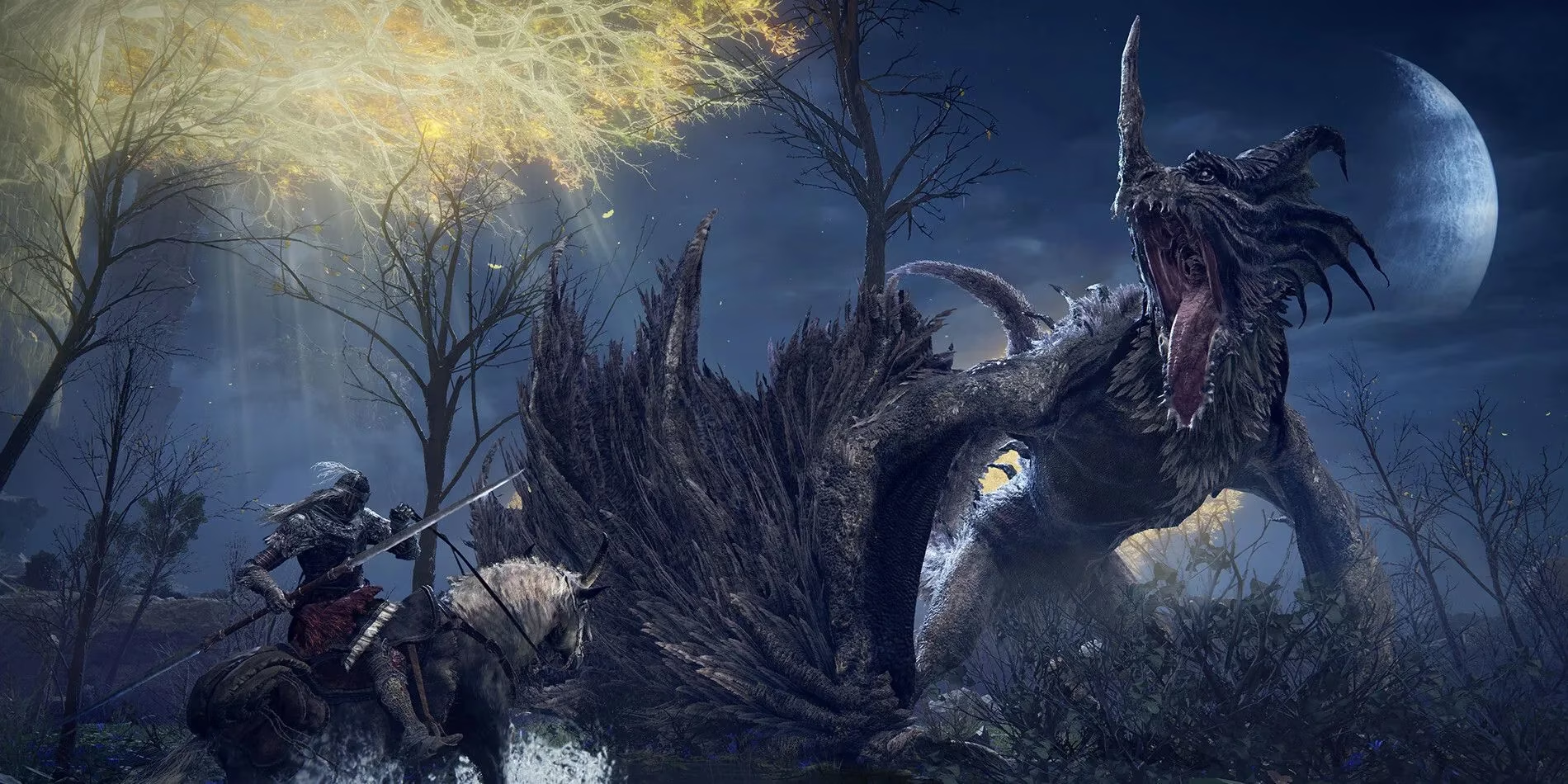
2. Elden Ring: The Open-World Magnum Opus
The sheer scale of Elden Ring upon its release was overwhelming in the best way possible. It took the dense, intricate design philosophy of Dark Souls and painted it across a vast, open canvas. The question of "will it still feel like a Souls game?" was answered resoundingly: it felt like the natural, glorious evolution of everything that came before.
-
It's Dark Souls, but polished and non-linear.
-
It has the aggressive flair of Bloodborne, but with immense build variety.
-
It offers the verticality and some duel mechanics of Sekiro, but on a colossal scale.
The addition of the Spirit Ashes summoning system and the freedom of the open world made it the most accessible entry for newcomers without diluting its core challenge. Years later, with significant PvP updates and its massive "Shadow of the Erdtree" expansion now part of gaming history, Elden Ring solidified itself as a landmark title that defined a generation.
1. The Enduring Legacy & The Future
So, which is the "best"? For me, Elden Ring takes the crown for its unparalleled scope, refinement, and content breadth. It is the culmination of FromSoftware's journey. Yet, the beauty of this pantheon is that "best" is deeply personal. Someone might value the purity of Sekiro's combat, the atmosphere of Bloodborne, or the interconnected genius of the original Dark Souls above all else.
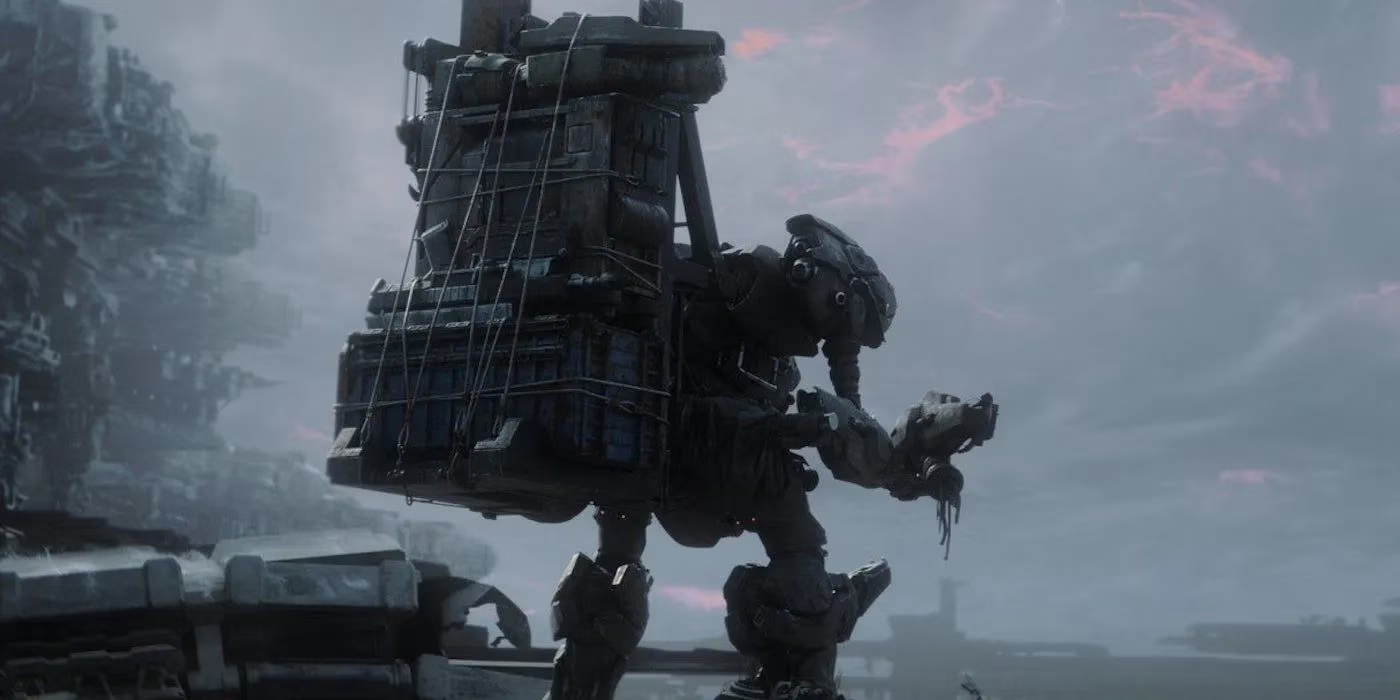
As of 2026, with Armored Core VI having launched and found its own success, the future of the Soulsborne lineage is a thrilling question. Miyazaki and his team have set an astronomically high bar with Elden Ring. The studio's proven ability to reinvent and refine gives me immense hope. Whether the next step is Elden Ring 2, a new intellectual property, or a return to Yharnam, one thing is certain: the lessons learned from this incredible series of games—about challenge, reward, atmosphere, and world-building—will continue to shape the landscape of gaming for years to come. The flame has not faded; it simply awaits new kindling. 🔥